Quick Answer: Restoring historic vault lights means assessing the structure beneath the glass, confirming who owns and maintains the vault, and deciding whether to repair, replicate, or replace the panels. Local landmark rules often apply, and waterproofing is usually the real fix.
If you own a building with deteriorating vault lights out front or underfoot, you’re facing a decision that mixes structural engineering with historic preservation. Those glass panels in your sidewalk aren’t just decorative. They’re load-bearing daylighting systems with their own maintenance history, and getting the fix right matters for safety, compliance, and curb appeal.
This guide walks through what to check before you touch a single lens and introduces Circle Redmont®, a manufacturer of these light systems designed to preserve historic sidewalk lights without sacrificing modern performance.
First, Understand What You Own
What’s Below the Glass Matters More Than What’s on Top
The light panel is just the visible layer. Beneath it sits a vault structure made of steel beams, brick or concrete arches, or part of the building’s foundation wall, and that structure may be in worse shape than the glass above it.
Who Is Responsible for the Vault?
In many cities, the adjacent property owner is responsible for maintaining the sidewalk and the vault beneath it, even if both sit in the public right-of-way. Before planning any work, confirm vault ownership, any existing permits or licenses, and your maintenance obligations with your municipality.
What Type of Vault Light System Do You Have?
Most historic systems fall into three categories: cast iron frames with glass bullets or prisms, glass set directly in concrete, or later steel-frame replacements. Each type comes with different repair options, so identifying yours early shapes every decision that follows.
Signs Your Lights Need Attention
Not every aging panel needs full replacement, but these warning signs shouldn’t wait:
- Water Below: Leaks, staining, efflorescence (white mineral deposits left behind as water moves through masonry), or standing water in the vault space.
- Corrosion and Section Loss: Rust jacking, lifting panels, or visible metal loss around lens openings.
- Missing, Cracked, or Loose Lenses: These create trip hazards and direct water entry points.
- Deflection or Movement: Panels that flex, rock, or sound hollow underfoot need a structural evaluation before anything else.
- Past “Repairs”: Lenses filled with concrete or asphalt, or panels covered in steel plate, often trap water and accelerate deterioration.
The Preservation Framework You’re Working Within
Projects involving historic sidewalk lights may be reviewed under the Secretary of the Interior’s Standards, which favor repairing what can be repaired and replacing in kind only what’s deteriorated beyond saving, matching original design, material, and appearance. The National Park Service’s Preservation Brief 27 covers cleaning, coating, and repair principles specifically for architectural cast iron.
In historic districts, work on vault lighting may require landmark commission approval before permits are issued. Removing panels or paving over them is frequently prohibited outright. If your building generates income and holds certified historic status, rehabilitation meeting these Standards may also qualify for the federal historic tax credit, so confirm eligibility before work begins.
Restore, Replicate, or Replace?
Restoration works when frames are structurally sound: clean the metal, treat corrosion, reglaze loose or missing lenses, and reseal. The limitation is that restored panels may still fall short of current load or slip-resistance expectations. Replication (installing new cast iron and glass panels matching the original pattern) is usually preferred in landmark districts once originals are too far gone.
Modern replacement using precast concrete or steel-frame systems makes sense where historic matching isn’t required or where building use has changed, such as new vehicle loads.
One note on glass: original manganese glass, which oxidizes to a violet hue over decades of UV exposure, can’t be easily reproduced. Many owners salvage sound original lenses for reuse in a prominent spot while replacing the rest with new light panels.
What a Restoration Project Actually Involves
A proper project starts with a condition assessment by a structural engineer or preservation consultant, covering the panel, the vault structure, and waterproofing. From there, expect landmark approval where applicable, right-of-way permits for sidewalk work, and pedestrian protection during construction.
Old coatings on cast iron may contain lead, and old sealants or fill materials often need testing before removal. Waterproofing is the real fix here. Most historic vault light failures started with water, so perimeter sealing, flashing, and drainage matter as much as the glass itself. Below-grade repairs to supporting steel or masonry often have to happen at the same time.
Meeting Today’s Requirements Without Losing Historic Character
A few factors determine how your restored vault lighting performs:
- Load Capacity: Pedestrian-only areas and spaces exposed to vehicles or delivery equipment need different frame and glass specifications.
- Slip Resistance: Textured or frosted top surfaces improve wet-weather traction while preserving the historic look.
- Accessibility: Level, flush panels without gaps or lips matter for public walkways.
- Backlighting: Optional lighting from below turns restored lights into a nighttime feature as well as a daylighting element.
Circle Redmont’s Vault Light Systems for Restoration Projects
Circle Redmont® builds several systems suited to historic restoration work:
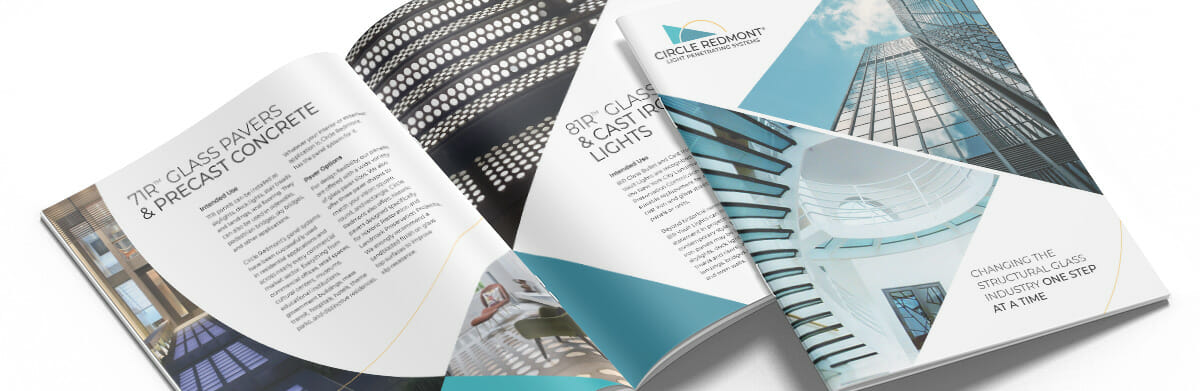
- 81R™ Glass Bullet & Cast Iron Vault Light Systems: Prismatic bullet glass in cast iron panels providing the closest match to historic sidewalk lights, with customizable finishes and optional backlighting.
- 71R™ Vaulted Sidewalk Precast Concrete Systems: Glass pavers set in precast concrete panels, suited to projects replacing historic concrete-set lights or where exact historic matching isn’t required.
- 82R™ Glass Bullet Composite Cast Iron Vault Light Systems: Built for historic lighting in non-load-bearing walls and ceilings.
Bringing Historic Light Back to Life
Restoring vault lights isn’t a single decision; it’s a sequence, starting with what’s beneath the glass and ending with how the finished panels must perform for decades. Getting each step right—assessment, approvals, waterproofing, etc.—saves both money and historic character.
Circle Redmont’s team works with building owners, architects, and contractors on vault light and historic sidewalk light projects of every scope. Reach out to the design team to talk through your building’s specific situation and find out what’s possible.