
 Quick answer: A sidewalk vault replacement needs a documented load rating, code-compliant materials, and the right permits before any panel goes in. Specifiers should size sidewalk panels for actual traffic, confirm ADA and PROWAG compliance, and require sealed structural calculations in every submittal package.
If you’re specifying a sidewalk vault replacement, you already know it isn’t a simple concrete pour. A below-grade vault changes how loads travel through the walking surface, and every panel has to carry pedestrian or vehicle traffic without failing.
Circle Redmont® manufactures engineered sidewalk panel and vault light systems designed, documented, and load-rated for public walkways, so we know our glass systems and what to recommend. This guide walks engineers, municipal staff, and contractors through load ratings, code requirements, and submittals for vaulted sidewalk projects.
What Does “Sidewalk Panels” Mean in a Vault Replacement?
A sidewalk panel assembly includes the walking surface (either precast concrete with glass, cast iron and glass, or steel and glass), plus its bearing supports, perimeter seal, and the vault structure below.
- Solid vs. light-transmitting: Solid concrete panels block light, while light-transmitting panels use glass inserts to brighten the space underneath. Owners often choose daylighting panels for occupied vault spaces, or sometimes solid panels when light isn’t a priority.
- Replacement over repair: Section loss in support steel, failed waterproofing, unknown load capacity, or new vehicle traffic typically push a vaulted sidewalk toward needing full replacement instead of a patch job.
How Do You Determine the Required Load Rating for a Sidewalk Vault?
Per the 2021 IBC Table 1607.1, pedestrian-only walkways need a minimum live load of 100 psf depending on their use, while sidewalks subject to vehicle traffic require 250 psf uniform load plus a concentrated load. Most urban sidewalk panels should be designed to the vehicular standard, since delivery trucks cross more often than owners expect.
- Highway-type loading: Panels near roadways, curb cuts, or loading zones often need AASHTO H-20/HS-20 wheel load ratings.
- Fire apparatus access: If the sidewalk vault sits along a fire access route, it has to support fire truck loads per local fire code.
- Point loads: Account for delivery carts, forklifts, scissor lifts, snow plows, and outrigger pads. Ask what actually crosses the sidewalk, not just what’s supposed to.
- Deflection matters as well as strength: Panel stiffness and deflection limits affect how glass inserts and sealant joints perform, and how firm the surface feels underfoot.
What Code and Accessibility Requirements Apply to Vaulted Sidewalks?
Beyond IBC structural requirements, a vaulted sidewalk has to meet the 2010 ADA Standards and the U.S. Access Board’s PROWAG guidelines. Panels must sit flush with surrounding concrete, with no lips, gaps, or excessive cross slope that could trip pedestrians or block wheelchair access.
- Slip resistance: Textured or frosted glass surfaces help meet DCOF requirements an owner or agency may set, especially given sidewalk vaults must be designed for wet exterior conditions.
- Municipal standards: Many cities set their own rules for sidewalk panels, finishes, and joints, and some require pre-approved products or specific details.
- Historic districts: Landmark review may apply when restoring locally significant historical sites. Check local preservation guidelines before finalizing a design.
What Permits and Approvals Does a Sidewalk Vault Project Need?
Right-of-way permits cover sidewalk openings, pedestrian protection, and traffic control. Many cities also treat the space beneath a sidewalk as an encroachment requiring a separate license or agreement, so confirm this before finalizing the design.
Building departments typically require structural drawings and calculations stamped by a licensed engineer, and utility coordination should happen early since lines often run through or near planned vaults and could cause conflicts.
What Should You Require in Sidewalk Panel Submittals?
- Structural calculations sealed by a licensed engineer, stating design loads and deflection limits
- Shop drawings showing panel layout, bearing details, support steel, perimeter sealing, and drainage
- Product data on glass type, thickness, finish, and light transmission, plus frame material and finish
- Test reports for load and slip resistance where specified
- Samples and mockups, especially for glass finish and color on visible public projects
- Warranty terms and a written maintenance program for the owner or agency
Performance vs. Prescriptive: How Should You Write the Spec?
Performance specs define loads, slip resistance, and watertightness, then let qualified manufacturers propose a system. This suits agencies that want flexibility. Prescriptive specs, meanwhile, define exact materials and details, which some municipalities prefer for consistency.
Either way, spell out design loads, deflection criteria, slip resistance, waterproofing responsibility, flush-installation tolerances, and manufacturer qualifications clearly. Note that sidewalk vault panels may be specified under precast concrete, metal fabrications, or a dedicated section depending on the system.
Circle Redmont®’s Sidewalk Panel Systems
Our 71R™, 81R™, and 91R™ systems give specifiers a solid starting point for load ratings, glass options, and code-compliant details on any vaulted sidewalk project.
- 71R™ Vaulted Sidewalk Precast Concrete Systems: Glass pavers set in precast concrete for durable, load-rated sidewalk vault replacement, with customizable shapes, colors, and finishes.
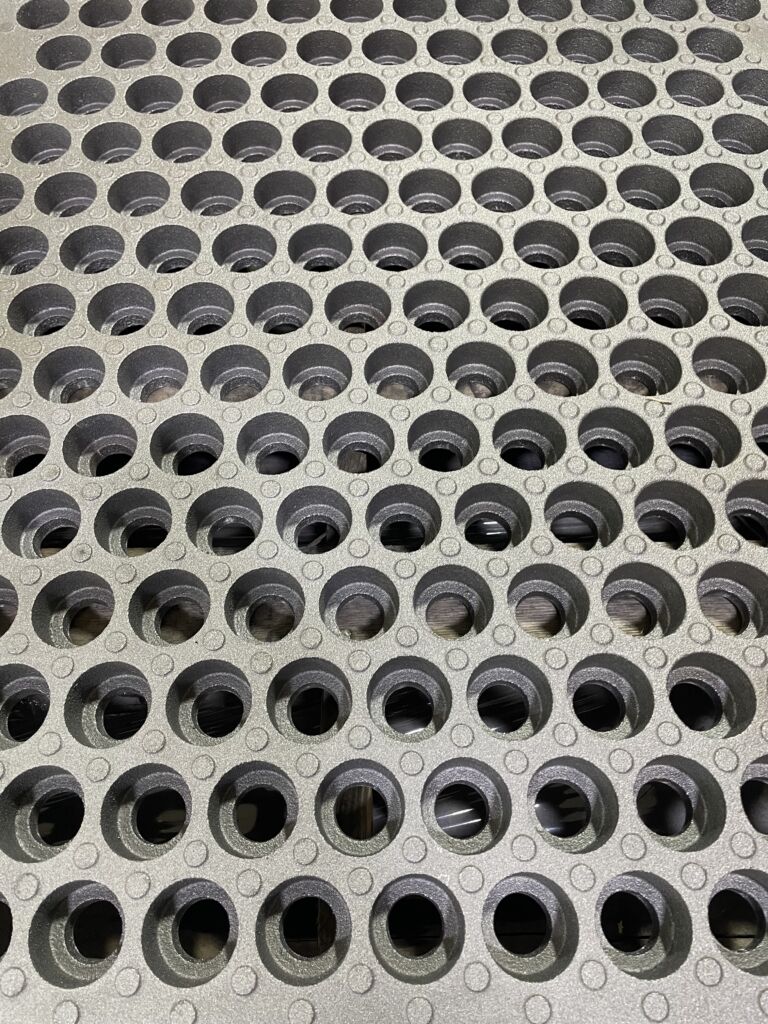
- 81R™ Glass Bullet & Cast Iron Vault Light Systems: Prismatic glass bullets in cast iron panels for projects that need a historic look alongside modern performance.
- 91R™ Structural Glass Paver & Metal Systems: Modular steel and glass panels built for commercial and public-use sidewalk applications.
Start Your Sidewalk Vault Specification With Circle Redmont®
A sidewalk vault replacement involves a lot of moving pieces, from load ratings to permits to submittal review. Circle Redmont®’s team can help you work through panel selection, load documentation, and code questions for your next vaulted sidewalk project. Reach out to our team to start the conversation.